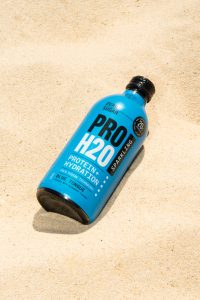
The world of health and wellness is ever-evolving. One trend that’s gaining momentum is the rise of protein water drinks.
These beverages offer a convenient way to consume protein on the go. They’re expected to make a significant splash in the market by 2024.
But what’s driving this trend? It’s a combination of factors. Consumers are increasingly seeking beverages that offer both hydration and nutrition.
Innovation is also key. From plant-based proteins to eco-friendly packaging, brands are responding to changing consumer demands.
In this article, we’ll explore the top trends in protein water drinks for 2024. We’ll delve into the latest flavors, innovations, and what to expect in the coming years.
So, whether you’re a fitness enthusiast, a health-conscious consumer, or an industry professional, stay tuned. The future of protein water drinks is here.
The Growing Popularity of Protein Water Drinks
Protein water drinks are rapidly becoming a favorite among fitness enthusiasts and health-conscious individuals. The need for quick, convenient nutrition is propelling their popularity.
These drinks offer a dual benefit: hydration and protein intake in one package. This makes them a perfect choice for those with busy lifestyles.
The modern consumer prefers products that simplify their daily routine. Ready-to-drink protein waters fit this bill perfectly. They require no preparation or mixing, making them ideal for on-the-go consumption.
The convenience factor is not the only reason these drinks are popular. Their role in post-workout recovery is significant, offering essential nutrients quickly.
Moreover, the influence of social media has been substantial. As influencers and athletes share their routines and recommendations, more people are introduced to the benefits of protein water drinks.
This increasing visibility contributes to their growing popularity across various demographics. Whether for weight management or muscle recovery, protein water drinks are on the rise.
As awareness grows, more consumers are expected to embrace this versatile beverage. It is clear that these drinks are more than just a trend; they are becoming a staple in wellness routines.
Market Growth and Consumer Preferences
The protein water drink market is projected to expand significantly by 2024. This surge is driven by the increasing demand for beverages that offer both nutrition and hydration.
Health-conscious consumers now prioritise products that enhance their wellness. They seek options that align with dietary needs and lifestyle choices.
Many consumers prefer drinks low in calories and sugar. Protein water drinks meet these preferences, offering refreshing alternatives without compromising health goals.
Moreover, quality plays a crucial role in consumer choices. People are drawn to beverages made with high-quality protein sources like whey isolate or plant-based proteins.
Transparency also influences purchase decisions. Shoppers want to know where their products come from and how they’re made.
Brands that provide clear sourcing and ingredient information stand out. The growing emphasis on clean label products enhances consumer trust and loyalty.
The convenience and portability of protein water drinks add to their market appeal. As a result, they’re increasingly finding a place in gym bags, office desks, and kitchen shelves.
In response, industry players focus on innovation to cater to evolving consumer tastes and preferences. This ensures sustained market growth and consumer satisfaction.
Plant-Based Proteins: Leading the Charge in 2024
Plant-based proteins are redefining the protein water drink market in 2024. Consumers are increasingly interested in sustainable and ethical food sources.
Pea and rice proteins are particularly popular in these beverages. They provide a nutritious and allergy-friendly alternative to animal-based proteins.
This trend aligns with the growing vegan and vegetarian movements. People are more conscious about reducing their environmental impact through dietary choices.
The nutritional benefits of plant-based proteins are also appealing. They offer essential amino acids required for muscle growth and recovery.
Furthermore, plant proteins often come with fewer allergens. This makes them suitable for those with dietary restrictions or allergies.
As demand rises, brands are innovating to improve the taste and texture of plant-based protein water drinks. Enhancements make these options more palatable to a wider audience.
In 2024, plant-based protein drinks are not just a niche product. They represent a significant shift towards cleaner, more sustainable nutrition.
Eco-Friendly Packaging: A Sustainable Trend
Eco-friendly packaging is a prominent trend in the protein water drink market. Consumers are keen to reduce plastic waste and support sustainable practices.
Beverage brands are responding by opting for biodegradable and recyclable materials. This shift aligns with the global push towards environmental responsibility.
Sustainability is not just a buzzword anymore. Many companies are investing in innovative packaging solutions that minimise carbon footprints.
Packaging that uses plant-based or recycled materials is gaining traction. These options allow consumers to enjoy their drinks without guilt about environmental impact.
Moreover, eco-friendly packaging often complements the health-conscious image of protein drinks. It appeals to consumers who prioritise both personal and planetary health.
As brands continue to innovate, eco-friendly packaging may become the norm. This trend highlights the significant role packaging plays in the purchasing decisions of environmentally-conscious customers.
Clean Labels and Natural Ingredients
Clean labels are gaining traction in the protein water drink sector. Consumers now scrutinise what they consume more than ever before.
Many are opting for products with simple and recognisable ingredients. This shift stems from a growing demand for transparency in food and beverage industries.
Natural ingredients have taken center stage as well. They are favored over artificial additives, which are often viewed with skepticism.
Brands are responding by incorporating fruits, botanicals, and other natural flavors. This ensures that taste and nutrition go hand in hand without compromising purity.
Minimal ingredients also appeal to those wanting straightforward nutrition. This preference is driving brands to offer products with clean and honest labels.
Overall, the move towards clean labels and natural ingredients reflects a broader health trend. As consumers become more informed, they will likely continue to choose these options over their synthetic counterparts.
Flavor Innovation: Exotic and Botanical Surprises
Flavor innovation in protein water drinks is taking exciting turns. Consumers crave novel and adventurous tastes in 2024.
Exotic flavors like dragon fruit, passion fruit, and lychee are making waves. These unique flavors offer a refreshing twist to traditional protein drinks.
Botanical infusions add another layer of complexity. Ingredients such as lavender, hibiscus, and lemongrass are being used to elevate the flavor profiles.
This trend caters to consumers looking for more than just nutrition. Taste and experience are equally important in choosing protein water drinks.
Innovative flavors also help brands stand out in a competitive market. By experimenting with unusual combinations, they capture consumer interest.
As taste remains a key driver, expect more bold flavors in the coming year. Protein water drinks will continue to surprise and delight with their innovative taste offerings.
Personalised Nutrition: Tailoring to Individual Needs
As health and fitness goals become more specific, personalised nutrition is rising. Protein water drinks are adapting to these individual needs in 2024.
Brands are creating options for different dietary preferences. Consumers can choose from plant-based, dairy-free, or even keto-friendly protein water drinks.
This trend caters to specific health goals such as muscle gain, weight management, or recovery. Some drinks now include added nutrients to support various fitness objectives.
Customisation is also becoming prevalent. Consumers may soon select their protein type, flavor, and functional additives for a tailored experience.
Brands leveraging data analytics gain insights into consumer preferences. This information is vital in developing personalised products.
Overall, personalised nutrition enhances consumer satisfaction and brand loyalty. As options increase, consumers benefit from products better aligned with their lifestyle and dietary choices.
Functional Beverages: Beyond Hydration
Protein water drinks are not just about hydration anymore. They are evolving into functional beverages that offer added health benefits.
These drinks are being enriched with ingredients that support overall wellness. Think of added probiotics for gut health or antioxidants for immune support.
Consumers seek more from their beverages, leading to multifunctional products. This trend caters to the busy, health-conscious lifestyle where every product must provide value.
Innovation is driving the development of drinks that support mental clarity and energy levels. Some include ingredients like B vitamins and green tea extracts for cognitive enhancement.
Brands are responding by creating products that offer more than just protein. This evolution challenges manufacturers to design beverages that truly enhance well-being.
Functional protein water drinks are thus becoming an integral part of daily nutrition routines. They reflect a shift towards holistic health, meeting the demand for drinks that do more than quench thirst.
The Role of Technology and Social Media in Consumer Engagement
Technology is transforming how protein water drink brands engage with consumers. Digital platforms provide a direct line to the target audience.
Brands are harnessing the power of social media for marketing. Instagram, TikTok, and Facebook serve as powerful tools to highlight product features.
Influencers play a crucial role, too. Collaborating with fitness and health influencers boosts credibility and expands reach among niche audiences.
Augmented reality labels and apps are emerging trends. They allow consumers to interact with products and gain instant information, enhancing the buying experience.
Online reviews and testimonials also impact consumer decisions. They build trust, helping potential buyers choose the right protein water drink.
Furthermore, brands use data analytics to understand preferences. This allows them to tailor marketing strategies and develop products that resonate with consumer needs.
In an age driven by technology, leveraging these tools is critical. It ensures brands remain relevant and effectively engage health-conscious consumers.
Conclusion: The Future of Protein Water Drink
The future of protein water drinks looks vibrant and full of promise. With innovation at its core, the industry is set for considerable growth.
Key trends like personalised nutrition and eco-friendly practices will shape consumer choices. As brands adapt, they can lead the way in healthier living.
Keeping pace with technology and consumer habits is vital. By doing so, protein water drink brands will continue to thrive and transform the wellness beverage market.