Temporomandibular Joint (TMJ) Dysfunction is a condition that affects the joint connecting your jawbone to your skull. This joint allows movements such as chewing, speaking, and yawning. When problems arise in this joint, they can lead to pain, discomfort, and limited jaw movement. TMJ dysfunction can result from various factors, including stress, teeth grinding, arthritis, or even an injury.
Millions of people suffer from TMJ disorder, yet many do not recognise the symptoms until the condition significantly affects their daily lives. Understanding the causes, symptoms, and treatment options can help individuals seek appropriate care and find relief.
TMJ due to lethargy
TMJ is not a single cause of lethargy, as it can develop due to many factors, including physical stress, dental problems, and even lifestyle habits. Some of the most common TMJ disorders include:
- Dental grinding and blading (bruxism)—persistent grinding teeth, especially during sleep, puts too high pressure on TMJ, causing pain and swelling.
- Jaw damage or trauma—a straight blow to the jaw or face may be the result of TMJ’s misconception, causing lethargy.
- Arthritis—osteoarthritis and rheumatoid arthritis—can cause combined damage and cause TMJ pain.
- Malocclusion (incorrect cutting)—if your teeth are not properly interconnected when cutting, it can put extra load on the jaw joint.
- Poor attitude—tracking or forward heading—can wrong the spine and affect the loss’ location, leading to stress and discomfort.
- Stress and TMJ dysfunction: high-level stress can lead to fainting, jaw gathering, and stress in the facial muscles.
- Excessive chewing or stiff foods—chewing or stiff foods can often overwork the jaw muscles and cause inflammation.
- Hormonal changes—some studies suggest that TMJ dysfunction is more common in women due to hormonal ups and rashes affecting joint tissue.
Normal TMJ-IDEMPOSITIONS
TMJ laxity manifests itself in different ways, making it difficult for some individuals to identify the situation. Symptoms of TMJ disorder often include:
- Jaw pain and tenderness—there is pain in the jaw, especially when the mouth opens or closes.
- Clicking, popping, or abrasive sound—some individuals experience sound noise when transmitting the jaws, which may be with pain.
- Difficulty opening or closing your mouth—the jaw can lock or get stuck in any position.
- Face pain and headache—chronic pains in the cheeks, temples, or ears.
- Ear pain or ringing (tinnitus)—TMJ dysfunction can cause ear pressure, cause discomfort, and sound.
- Neck and shoulder pain—the tension in the jaw muscles can spread to the neck and shoulders.
- Tooth sensitivity or wear—TMJ can cause excessive wear on teeth due to grinding as a result of dysfunction.
- If you are constantly experiencing any of these symptoms, it is necessary to find professional guidance.
When are you going to see a dentist for TMJ patching?
TMJ relaxation can be managed at home with self-care, but in severe cases, professional evaluation is required. You should see a dentist:
- Despite the treatment of the home, the pain lasts for more than a few weeks.
- You experience difficulty eating or talking because of the jaws’ hardness.
- There is a noticeable change in the bite or adjustment of the jaw.
- The pain extends to the ears, neck, and shoulders.
Click in the jaw or with poppy pain.
A dentist or specialist can perform a physical examination, take x-rays, or recommend other clinical imaging such as MRI or CT scan to assess the severity of the condition. Jaw pain and tenderness—there is pain in the jaw, especially when the mouth opens or closes.
Clicking, popping, or abrasive sound—some individuals experience sound noise when transmitting the jaws, which may be with pain.
- Difficulty opening or closing your mouth—the jaw can lock or get stuck in any position.
- Face pain and headache—chronic pains in the cheeks, temples, or ears.
- Ear pain or ringing (tinnitus)—TMJ dysfunction can cause ear pressure, cause discomfort, and sound.
- Neck and shoulder pain—the tension in the jaw muscles can spread to the neck and shoulders.
- Tooth sensitivity or wear—TMJ can cause excessive wear on teeth due to grinding as a result of dysfunction.
If you are constantly experiencing any of these symptoms, it is necessary to find professional guidance.
When are you going to see a dentist for TMJ patching?
TMJ relaxation can be managed at home with self-care, but in severe cases, professional evaluation is required. You should see a dentist:
- Despite the treatment of the home, the pain lasts for more than a few weeks.
- You experience difficulty eating or talking because of the jaws’ hardness.
- There is a noticeable change in the bite or adjustment of the jaw.
- The pain extends to the ears, neck, and shoulders.
A dentist or specialist can perform a physical examination, take X-rays, or recommend other clinical imaging such as an MRI or CT scan to assess the severity of the condition.
TMJ Dyshithia—Treatment Options
Different TMJ relaxation treatments are available, ranging from lifestyle changes to medical interventions. Some of the most effective treatments include:
Self-care and lifestyle change
- Stress Management—Reducing stress through relaxation techniques, attention, or therapy can help reduce the jaw.
- The jaw relaxed—talking too much, yawning, and chewing gum can reduce the stress on the joint.
- Soft food diet—eating soft foods such as yoghurt, soup, and mashed potatoes can help prevent further irritation.
TMJ exercises to reduce pain
- Gentle stretching exercises can improve jaw dynamics and reduce stiffness.
- Resistance exercises help to strengthen the jaw muscles and stabilise the joint.
- Jaws and neck muscles can provide relief techniques.
TMJ Physiotherapy Practice
- A physiotherapist can design specific practices to reduce stress and improve function.
- Manual therapy and ultrasound treatment can be recommended.
Pain-relieving methods
Over-the-counter medications can help reduce ibuprofenitis, such as non-steroidal anti-inflammatory drugs (NSAIDs).
TMJ jaw pain relief through ice or heat: the application of ice packs can numb pain, while the heat can relax dense muscles.
Dental treatment
- Custom mouth guard or splints—they prevent teeth from grinding and reduce the pressure on TMJ.
- Orthodontic treatment—If crazy teeth cause TMJ dysfunction, harnesses or alignments may be necessary.
- Tooth adjustment procedures for improving bites can help reduce the symptoms.
Alternative medicine
- Acupuncture can help to release stress in the jaw muscles.
- Chiropractic adjustment can improve the attitude and relieve jaw pain.
- Botox injection—the most active jaw muscles are used to relax.
Surgical treatment (for severe cases)
- Arthrocentesis is a minimally invasive process that removes debris and inflammatory substances from the joint.
- TMJ surgery is reserved for extreme cases where other treatments fail.
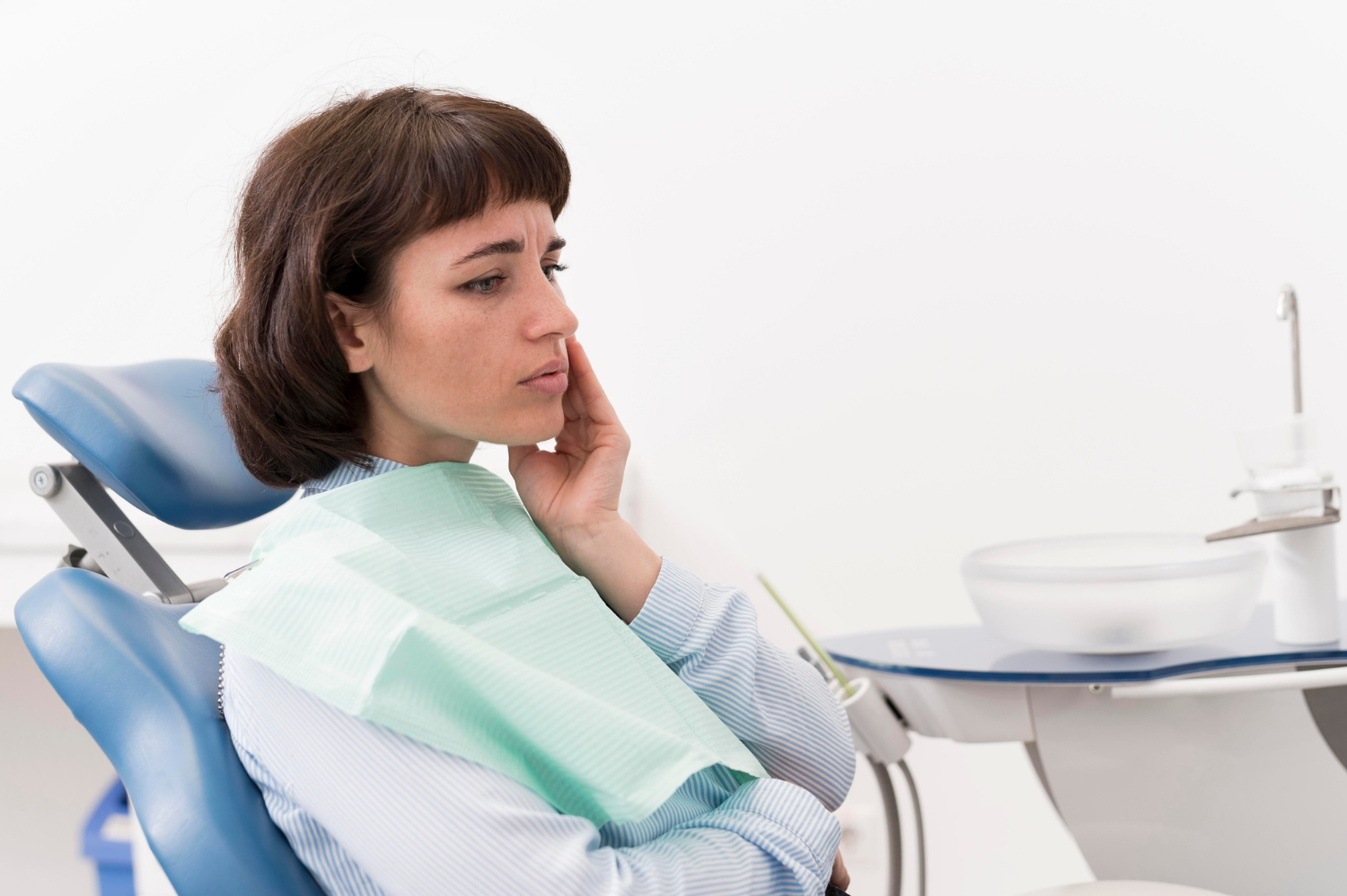
How to relieve TMJ pain naturally
If you like a holistic approach, try natural TMJ painting methods such as:
- Practising mindfulness and relaxation techniques to reduce stress.
- Use essential oils such as lavender or peppermint for muscle discounts.
- Gold is in the best state of TMJ pain (on the back with a supportive pillow).
- Avoid caffeine and alcohol to prevent muscle tension.
These natural agents can be used in combination with other treatments for maximum relief.
Final Thoughts
TMJ dysfunction is a painful and often frustrating condition, but with the right management strategies, symptoms can be significantly reduced. Identifying the causes, recognising symptoms early, and implementing effective TMJ dysfunction treatments can help prevent long-term complications. If home remedies and lifestyle adjustments do not provide relief, consulting a dentist or healthcare provider is crucial for personalised treatment options.
By taking proactive steps, individuals can achieve lasting relief from TMJ dysfunction and improve their overall quality of life. If you’re struggling with jaw pain, now is the time to take action and seek professional guidance.